
Alcohol can cause both short-term effects, such as lowered inhibitions, and long-term effects, including a weakened immune system. It was a seltzer with lime instead of Bordeaux with a Michelin-starred meal; a trip to the gym on Friday evenings while everyone else hit happy hour. For those with a serious alcohol problem, it was a worthy decision, maybe even a lifesaving one. It could even be fun, when it wasn’t all amends and affirmations. With alcohol, our consumption and dependency grow over time, ever so subtly.
How to Stay Sober
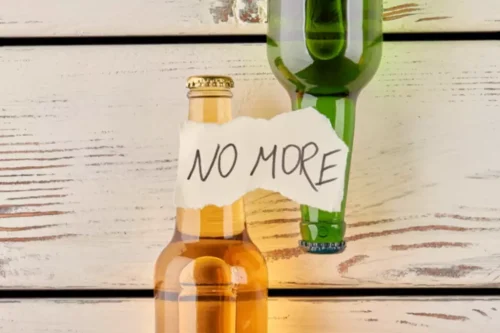
“She visited her family doctor again and again and went to the emergency room seven times over two years,” said Dr. Rahel Zewude, an infectious disease specialist at the University of Toronto. ALDI does not sell liquor, but we offer a selection of beer and wine at some of our stores. Papo also corrected some misconceptions about the program, saying only staffers and clients are allowed in the facility – no one can just wander in for a free pop.
- Your intentions may be good, but it takes more than willpower to avoid having a relapse.
- However, I was ready to hear their concerns and fears genuinely, and after four years of trying to control my drinking, had finally accepted that I was an alcoholic.
- Studies show that people who are alcohol dependent are two to three times as likely to suffer from major depression or anxiety over their lifetime.
- Remember, though, that relationships with doctors, therapists, and other health professionals can take time to develop.
Groups for family and friends
Because of this, outpatient rehabs are more suitable for people with mild addictions. Patients should also have a high level of motivation to become sober. Many people who experience a journey of recovery from addiction consistently learn more about themselves. They learn how to cope with stress and discover what is most important in their lives. An emotionally sober person no longer escapes their emotions with drugs or alcohol. This allows them to deal with challenging situations and emotions.
Avoid Old Habits and Toxic Relationships
- These addiction treatment programs offer many of the same types of treatments and therapies as inpatient rehabs.
- In fact, drinking caffeine (whether in coffee or energy drinks) can sometimes be dangerous because it tricks people into thinking they’re sober.
- Other definitions, however, often focus on the process of recovery and developing coping mechanisms and habits that support health and wellness over the long term.
- If you’re not experiencing negative health effects right now, it might be a good idea to learn about what could happen if you do keep drinking.
- The more symptoms you have, the more urgent the need for change.
To avoid getting too drunk, stick with drinks with low alcohol content, such as light beer. By Buddy TBuddy T is a writer and founding member of the Online Al-Anon Outreach Committee with decades of experience sober alcoholic writing about alcoholism. Because he is a member of a support group that stresses the importance of anonymity at the public level, he does not use his photograph or his real name on this website.

You can use these informal group meetings to learn more about addiction and extend your network of supportive people. Some are surprised to learn that there are medications on the market approved to treat alcohol dependence. The newer types of these medications work by offsetting changes in the brain caused by AUD. Alcohol use disorder (AUD) is a medical condition that doctors diagnose when a patient’s drinking causes distress or harm. The condition can range from mild to severe and is diagnosed when a patient answers “yes” to two or more of the following questions.
Behavioral therapies can help people develop skills to avoid and overcome triggers, such as stress, that might lead to drinking. Medications also can help deter drinking during times when individuals may be at greater risk of a return to drinking (e.g., divorce, death of a family member). Mutual-support groups provide peer support for stopping or reducing drinking.
How alcohol affects the body

If you have worked to build your coping skills and make healthy lifestyle changes but relapse and substance use continues, it may be time to reach out to a mental health professional. Therapists — like psychologists, social workers, and counselors — can offer proper assessments to understand your issue and create a treatment plan to achieve your goals. Alcoholics Anonymous (AA) and other 12-step programs provide peer support for people quitting or cutting back on their drinking. Combined with treatment led by health professionals, mutual-support groups can offer a valuable added layer of support. Medical support can also wean you from certain substances slowly, helping the brain and body adjust to the loss of the substance more gradually and minimizing some withdrawal symptoms.
Your healthcare provider can help you evaluate the pros and cons of each. Overall, gather as much information as you can about the program or provider before making a decision on treatment. If you know someone who has first-hand knowledge of the program, it may help to ask about his or her personal experience. Professionals in the alcohol treatment field offer advice on what to consider when choosing a treatment program. Scientists are working to develop a larger menu of pharmaceutical treatments that could be tailored to individual needs.
Other ways to get help include talking with a mental health professional or seeking help from a support group such as Alcoholics Anonymous or a similar type of self-help group. Not everyone comes from an encouraging and supportive home environment. If your family and or friends aren’t motivating you to seek help for your substance misuse, make an appointment with a medical or addiction treatment professional. These individuals can direct you toward the resources you need for recovery, including the needed services and diagnosis of substance use and any co-occurring mental health disorders.